
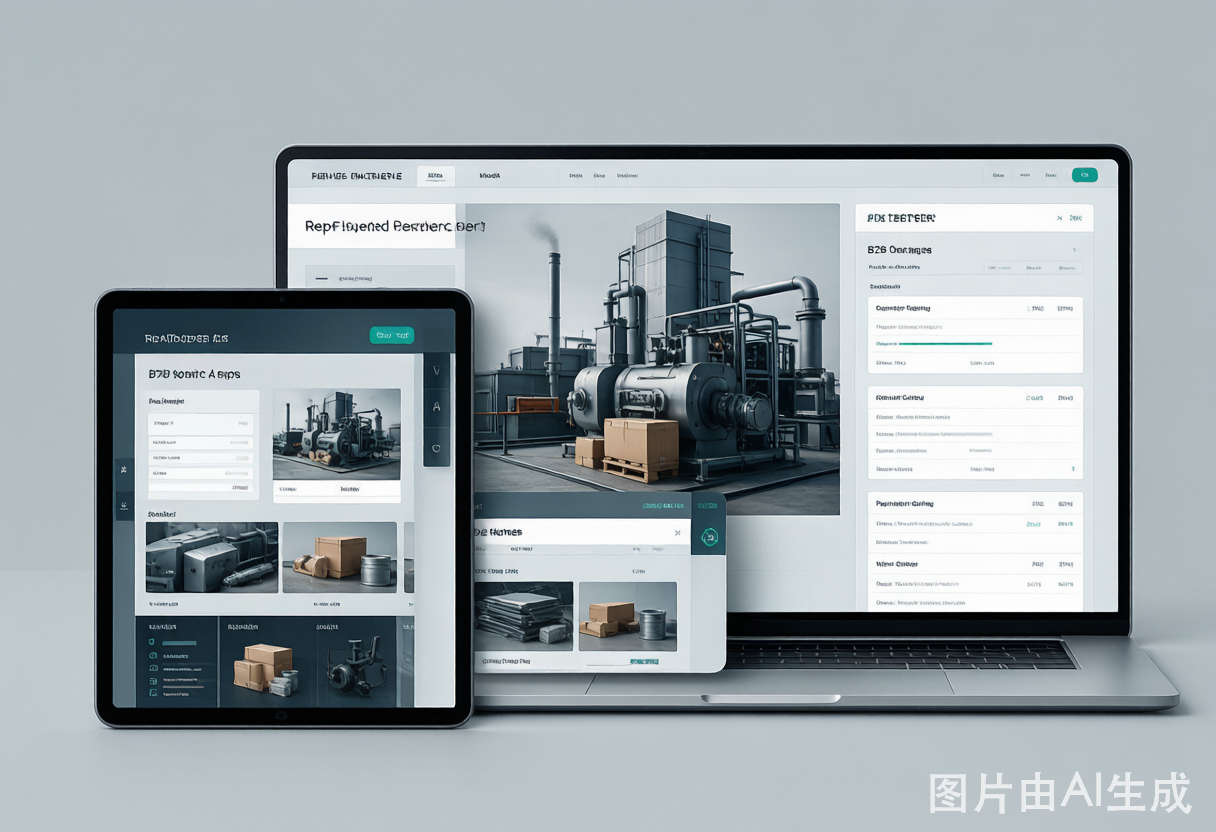
Industrial B2B marketplaces have evolved from simple online catalogs into sophisticated platforms that facilitate the entire procurement-to-payment cycle. Understanding how to effectively use these platforms is essential for modern industrial businesses.
What Are Industrial B2B Marketplaces?
Industrial B2B marketplaces are digital platforms that connect suppliers of industrial goods — raw materials, components, machinery, MRO supplies — with business buyers. Unlike consumer marketplaces, these platforms are designed for high-volume, high-value transactions with complex requirements around specifications, pricing, and logistics.
Key Benefits for Buyers
Wider Supplier Access: Buyers can discover vetted suppliers from around the world, reducing dependence on a limited pool of known vendors.
Price Transparency: Multiple supplier listings for the same product category enable easier price comparison and negotiation.
Streamlined Procurement: Many platforms offer RFQ (Request for Quote) tools, purchase order management, and integration with ERP systems.
Quality Assurance: Platform verification processes and buyer reviews help identify reliable suppliers before committing to large orders.
Key Benefits for Sellers
Reduced Customer Acquisition Cost: Instead of building brand awareness from scratch, sellers can leverage the marketplace's existing buyer traffic.
Global Reach: Marketplaces provide access to international buyers without the need for a local sales presence in each market.
Data Insights: Platform analytics reveal search trends, popular categories, and buyer behavior — valuable intelligence for product development and pricing strategy.
Lower Barriers to Entry: Small and medium manufacturers can compete alongside established brands by optimizing their listings and service quality.
How to Choose the Right Marketplace
Not all marketplaces are created equal. Consider industry focus (vertical vs. horizontal), geographic coverage, fee structures, payment protection, and logistics support. Leading platforms include Alibaba.com, ThomasNet, Global Sources, and industry-specific platforms for chemicals, electronics, metals, and more.
Best Practices for Sellers
Optimize your product listings with detailed specifications, high-quality images, and competitive pricing. Maintain fast response times to inquiries. Build a track record of on-time deliveries and positive reviews. Consider using platform advertising and listing upgrade features to increase visibility in competitive categories.
Best Practices for Buyers
Always verify supplier credentials before placing large orders. Start with small trial orders to assess quality and reliability. Use platform messaging systems to maintain a written record of communications. Take advantage of trade assurance and escrow services when available.
The Future of Industrial B2B Marketplaces
We are seeing increased integration of AI-powered product matching, virtual factory tours, digital payment solutions, and automated logistics. The lines between marketplace, ERP, and supply chain management are blurring. Companies that embrace these platforms early will have a competitive advantage in the increasingly digital industrial economy.