
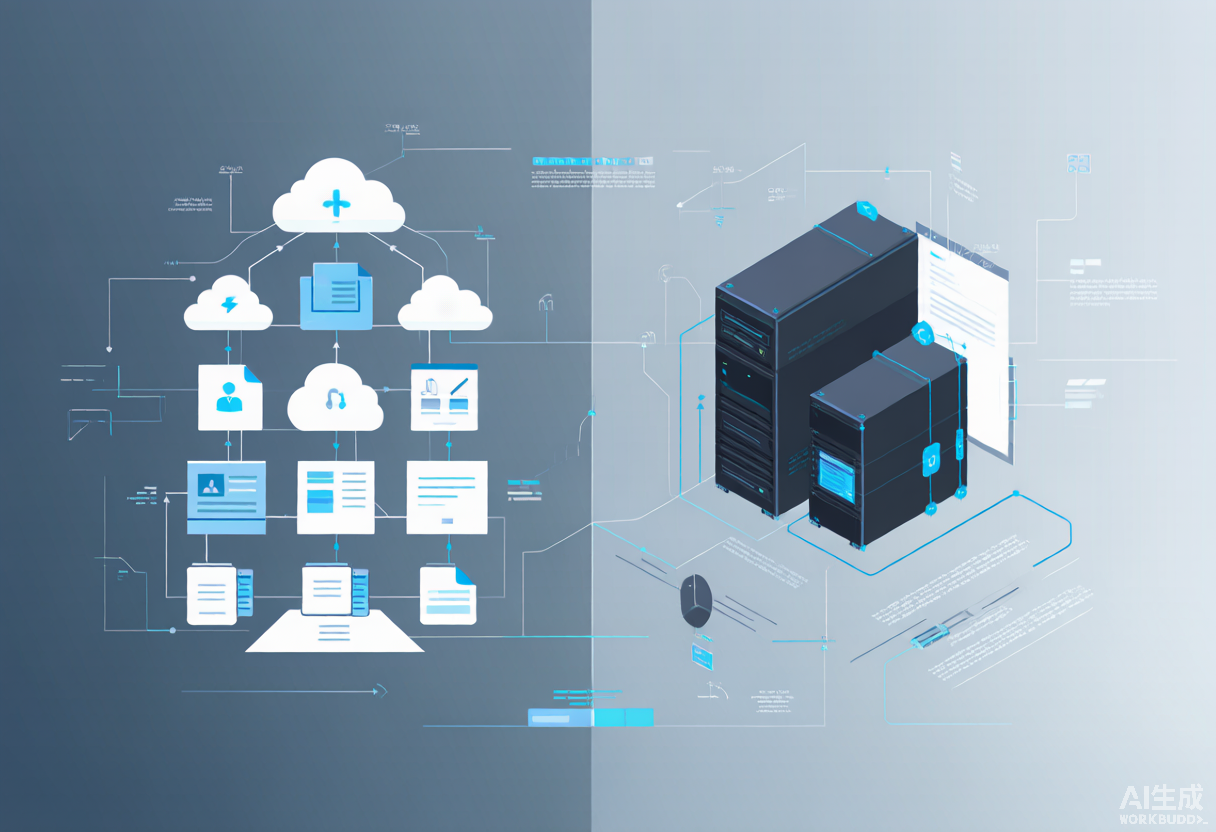
The debate between SaaS and traditional on-premise software continues to evolve. With cloud infrastructure maturing and security improving, the decision is more nuanced than ever.
Cost Structure
SaaS offers predictable subscription pricing with lower upfront investment — typically $50-200 per user per month for mid-market B2B tools. Traditional software requires significant capital expenditure for licenses and infrastructure, often $50,000-500,000 upfront, but can be cheaper over a 5-7 year horizon.
Implementation and Time to Value
SaaS deployments average 2-6 months versus 6-18 months for on-premise solutions. For companies needing rapid digital transformation, SaaS provides faster time to value and eliminates the need for dedicated IT infrastructure projects.
Security and Compliance
Modern enterprise SaaS providers invest heavily in security — SOC 2, ISO 27001, GDPR compliance are standard. For highly regulated industries (finance, healthcare, defense), on-premise solutions may still be required due to data sovereignty and audit requirements.
Customization and Integration
Traditional software offers deeper customization but at a higher maintenance cost. SaaS platforms increasingly offer APIs, low-code extensions, and marketplace integrations that cover 80-90% of common business requirements out of the box.
Scalability
SaaS wins on elastic scalability — adding users or features happens instantly. On-premise solutions require hardware provisioning and capacity planning, which can take weeks or months.
Total Cost of Ownership Analysis
When factoring in IT staff, hardware, maintenance, upgrades, and electricity, on-premise TCO is often 2-3x higher than claimed license costs. For most mid-market B2B companies, SaaS delivers 20-35% lower five-year TCO.
Making the Decision
Consider a hybrid approach: use SaaS for core business applications (CRM, ERP, collaboration) while maintaining on-premise for specialized, compliance-sensitive workloads. This balances flexibility with control.